

There is something quietly powerful about the bond between an older adult and their pet. The cat curled up beside them on the sofa. The small dog waiting at the door when they wake up. The fish tank glowing softly in the corner of a quiet room.
For many seniors, a pet is far more than a companion, it is a reason to get up in the morning, a source of unconditional love, and a gentle anchor to routine and purpose. And the research backs this up in ways that might genuinely surprise you.
But pet ownership is not a one-size-fits-all answer. As a family caregiver, you may be wondering whether a pet is a good idea for your loved one, what to consider before bringing one home, and how to make it work practically. This article walks through all of it, the benefits, the honest considerations, the best pet options, and the tips that will help you both feel confident in the decision.
The Real Benefits of Pet Ownership for Seniors
The research on pets and older adults is genuinely encouraging. Let’s look at what the science says.
Physical health
Studies show that seniors who own pets tend to have lower blood pressure, lower cholesterol, and a reduced risk of heart disease compared to non-owners. According to the American Humane Society, pet owners make fewer visits to the doctor, a meaningful benefit for families managing complex care routines.
Dog ownership in particular encourages daily movement. Research published in BMC Public Health found that dog owners walk an average of 22 minutes longer per day than those without a dog. Walking a dog two to three times a day can easily meet the American Heart Association’s recommendation of at least 20 minutes of daily cardiovascular activity. And a long-term study from the National Institute on Aging found that older adults who owned pets experienced less physical decline as they aged compared to non-owners.
Mental and emotional wellbeing
Loneliness is one of the most serious health risks facing older adults. Research found that seniors who owned pets were 36% less likely to report loneliness than those who did not. The University of Michigan’s National Poll on Healthy Aging found that 88% of senior pet owners said their pet helped them enjoy life, and 86% said their pet helped them feel loved.
Pets have also been shown to reduce symptoms of depression and anxiety. A 2016 study by the Human Animal Bond Research Institute (HABRI) found that pets helped people with mental health conditions feel a stronger sense of identity and provided security and routine.
Cognitive health
This one surprised even the researchers. A study published in JAMA Network Open, following nearly 8,000 older adults over eight years, found that seniors living alone who owned a pet experienced a noticeably slower rate of cognitive decline, particularly in verbal memory and verbal fluency compared to those without pets. A separate 2023 study found that dog owners had a lower risk of dementia, with the greatest benefit seen in those who walked their dogs regularly and stayed socially engaged.
Research also suggests that for seniors with mild Alzheimer’s disease, pet ownership was associated with better daily function and slower disease progression over a five-year period, a finding that holds real promise for families navigating memory care at home.
Sense of purpose and routine
One of the quieter gifts a pet gives is structure. Feeding times, walks, grooming, and check-ins create a gentle rhythm to the day. For a senior who may have lost a spouse, retired from a long career, or seen their social world shrink, that daily sense of being needed can be profoundly meaningful. As one geriatrician put it: “Just having an animal in the home gives them a job, gives them something to wake up to do.”
Before You Bring a Pet Home: Questions Worth Asking
A pet can be a wonderful addition to your loved one’s life, but only if the match is right. Here are the key questions to work through together as a family.
Physical ability and mobility
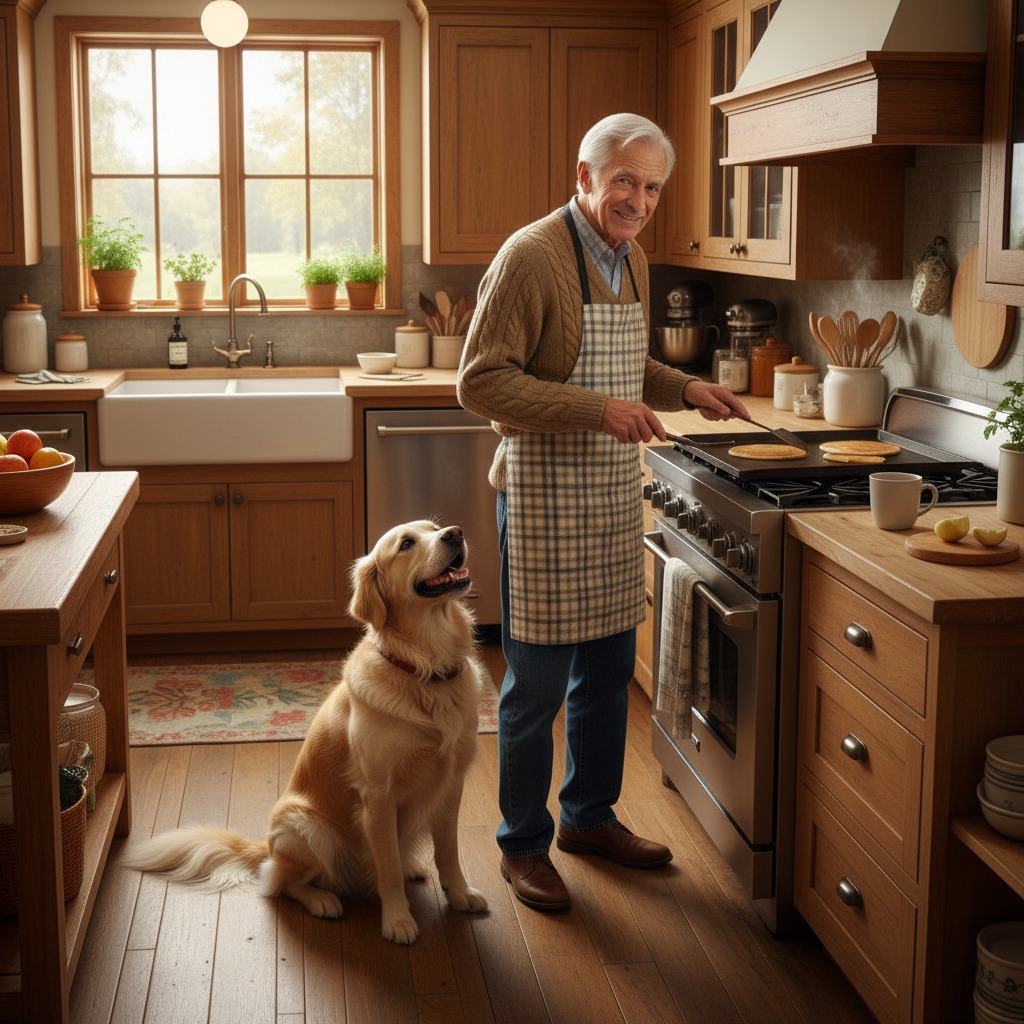
Be honest about what your loved one can manage. Can they bend down to fill a food bowl? Walk a dog safely, even a small one? Manage a litter box? Lift and carry an animal if needed? A senior with gait instability or balance issues should not have a dog that pulls on a leash. Larger breeds in particular have been known to cause serious injuries, including dislocated shoulders, during walks.
If mobility is limited, cats, birds, fish, or small caged animals are often far better fits than dogs.
Cognitive ability
A senior with significant memory loss or cognitive decline needs careful consideration here. As one geriatrician noted, “If someone doesn’t remember to take their medication, they are probably not going to remember to feed their pet regularly.” Inconsistent care is not fair to the animal and the distress of a neglected pet can cause additional anxiety for your loved one.
For seniors with moderate to advanced dementia, a high-quality stuffed animal may actually be the better option. It can provide the tactile comfort and sense of caring for something without any risk to a living creature. Some nursing homes have successfully used this approach to great effect.
Living situation
Does your loved one’s home, apartment, or community allow pets? Are there breed or size restrictions? This is worth confirming before anyone falls in love with a particular animal. If they live in a senior community or rent their home, check the specific pet policies in writing.
Financial considerations
Pet ownership comes with real costs: food, routine veterinary care, vaccinations, grooming, and the very real possibility of unexpected medical expenses. Seniors on a fixed income should think realistically about this. Pet insurance can help manage costs, and adoption from a shelter is typically far less expensive than purchasing from a breeder. There are also nonprofit organizations such as Pets for the Elderly that help cover adoption fees for seniors (see links under Helpful Resources below).
What happens if the caregiver becomes unable to care for the pet?
This is the question families sometimes forget to ask and it is one of the most important ones. What is the plan if your loved one’s health changes and they can no longer care for their pet? Having a named family member, friend, or neighbor who agrees in advance to take the animal if needed can prevent a painful and rushed decision later.
The Best Pets for Seniors: A Practical Guide
Dogs with the right breed and size
Dogs offer the most in terms of companionship, purpose, and physical activity benefits but they require the most consideration. For seniors, smaller breeds are almost always the better choice. Good options include Cavalier King Charles Spaniels, Shih Tzus, Malteses, Poodles, and Miniature Schnauzers all known for being gentle, affectionate, and manageable in size.
Just as importantly, consider adopting an adult dog rather than a puppy. Dogs between two and four years old are often calmer, already house-trained, and far easier to manage than an unpredictable puppy. A dog under 30 pounds is generally easier to handle if lifting or restraining is ever needed.
Cats tend to be calm, low-maintenance, and deeply comforting
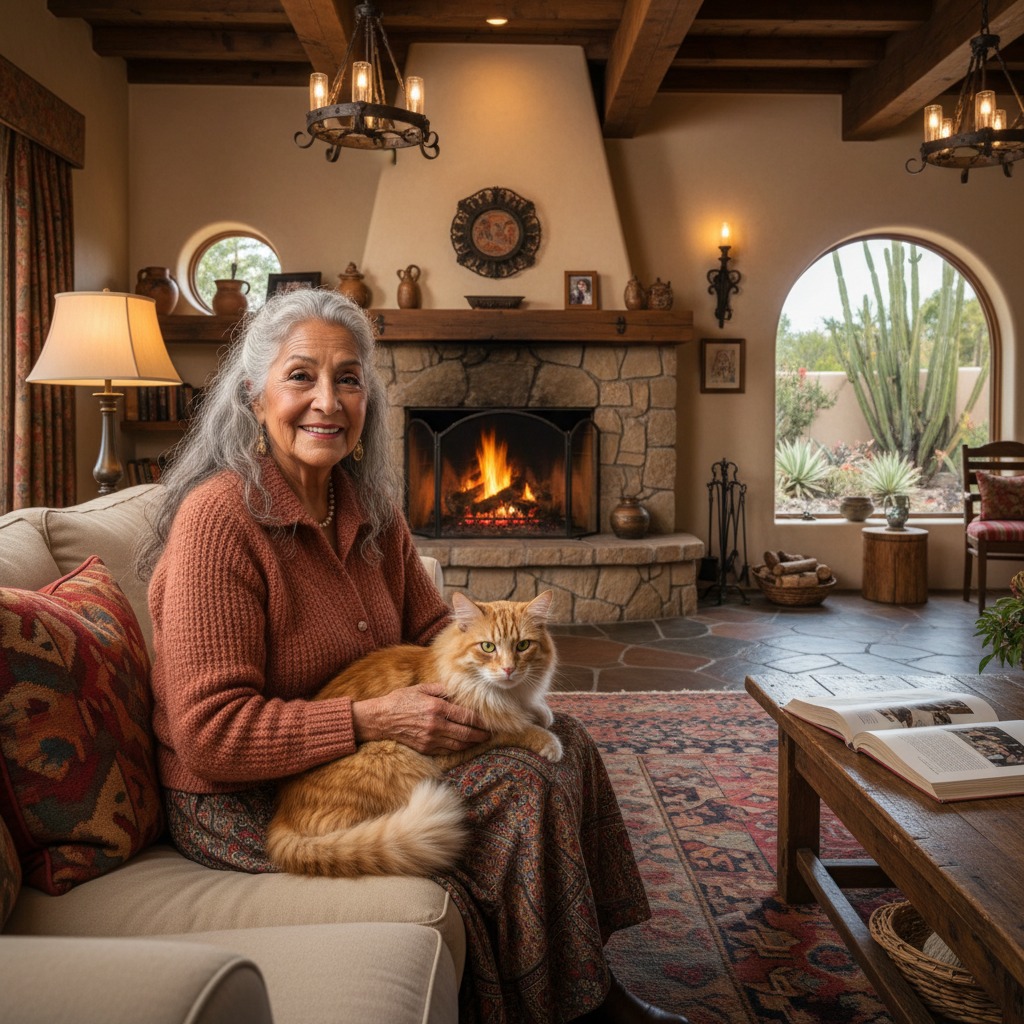
Cats are a wonderful option for seniors who want genuine companionship without the physical demands of dog ownership. They do not need to be walked, are generally quiet, and can be perfectly content in a smaller space like an apartment. Breeds like the Ragdoll, British Shorthair, and Burmese are known for being particularly gentle and cuddly.
As with dogs, adopting an adult cat from a shelter, rather than a kitten makes things easier. Adult cats are calmer, their personality is already established, and they are far less likely to scratch or accidentally injure someone. The main ongoing tasks are feeding, fresh water, and a clean litter box, which can be simplified with an automatic self-cleaning box.
Birds are engaging and surprisingly social
Birds like parakeets (budgies) and canaries can be wonderful companions for seniors who enjoy the presence of a living creature without hands-on handling. They provide genuine entertainment, can be surprisingly interactive, and their songs and movements can bring real cheerfulness to a quiet home. Parakeets in particular can be very social and enjoy gentle interaction. The main responsibilities are a clean cage, fresh food and water, and some daily attention.
One note: some bird species, like parrots, can live 50 to 60 years, worth keeping in mind when choosing.
Fish are calming and therapeutic
Do not underestimate the quiet joy of a well-kept aquarium. Research has shown that watching fish swim can reduce stress and lower blood pressure. Fish require minimal physical effort to care for — regular feeding and periodic tank maintenance — making them an ideal option for seniors with mobility limitations. A freshwater tropical tank can be set up with an automatic feeder and a filter that only needs occasional attention.
Small mammals, gentle and interactive
Guinea pigs and rabbits can be lovely companions for seniors who want an animal that can be gently held and interacted with. Guinea pigs in particular are known for being docile and resilient. Rabbits can even be litter-trained. Both do best with some daily interaction and a clean, spacious enclosure.
Practical Tips for Families Supporting a Senior Pet Owner
Help set up the environment for success
- Place food and water bowls at a comfortable height to reduce bending
- Use a lightweight, easy-to-clean litter box if your loved one has a cat
- Consider an automatic feeder or water dispenser to reduce daily tasks
- Keep the pet’s supplies organized and easy to find
- Set up a pet first-aid kit and keep the vet’s number posted prominently
Stay involved in the pet’s care
As a family caregiver, staying gently involved in the pet’s wellbeing protects both your loved one and the animal. Offer to help with tasks that are more physically demanding, grooming, heavier cleaning, veterinary trips while letting your loved one maintain the daily care routines that give them purpose.
Build a backup care network
Identify a neighbor, friend, or family member who can step in to care for the pet if your loved one has a medical appointment, hospital stay, or period of reduced ability. Having this person identified in advance and ideally already familiar with the pet. Thisw makes a huge difference in a stressful moment.
Keep veterinary care current
Regular vet check-ups, vaccinations, flea and tick prevention, and dental care keep the pet healthy. Healthy pets are easier and safer to care for. Some veterinarians offer house-call services for seniors who have difficulty traveling, which is worth asking about in your area.
Watch for signs that the arrangement needs adjustment
- The pet appears underfed, ungroomed, or is not getting regular attention
- Your loved one seems anxious, overwhelmed, or distressed about the pet’s care
- Falls or near-falls have occurred related to the pet
- Your loved one is putting the pet’s needs ahead of their own health like skipping meals or medical appointments
If any of these arise, it is worth having a gentle, honest conversation about adjusting the level of pet care, bringing in more support, or exploring alternatives like therapy animal visits.
When Full Pet Ownership Is Not the Right Fit
Not every senior is in a position to care for a pet full-time and that is completely okay. There are meaningful ways to enjoy the benefits of animal companionship without the full responsibility:
- Therapy animal visits. Many organizations bring trained therapy dogs to seniors’ homes or senior centers. Contact your local Area Agency on Aging or search the Pet Partners registry (petpartners.org) to find programs near you
- Volunteering at a local animal shelter. Some seniors enjoy spending a few hours a week socializing animals, which provides many of the same emotional benefits as ownership
- Pet-sitting for family or neighbors. Occasional, short-term animal companionship with no long-term commitment
- Companion robots and high-quality stuffed animals. For seniors with significant cognitive decline, interactive companion robots like PARO (a robotic seal used in dementia care) or a realistic stuffed animal can provide genuine comfort
A Final Thought
The decision to bring a pet into an elderly loved one’s life deserves the same care and thought you would give any major decision in their care. Done thoughtfully, it can be one of the most life-giving choices you make for them.
The research, the stories, and the quiet daily evidence all point in the same direction: animals have a remarkable capacity to meet humans exactly where they are, in loneliness, in grief, in the slower rhythms of older age and remind them that they are still needed, still connected, still alive in all the ways that matter.
If a pet feels right for your loved one, trust that feeling. Start small, choose wisely, and build in the support structures that make it sustainable. You may find that the dog sleeping at their feet or the cat purring on their lap becomes one of the best things in both of your days.
Helpful Resources
Pets for the Elderly Foundation
If the cost of adoption is what stands between your loved one and a new companion, this foundation partners with shelters across the country to help cover adoption fees for seniors.
Pet Partners Therapy Animal Program
For families who decided that full time pet ownership is not the right fit, Pet Partners can connect your loved one with therapy animal visits that bring all the joy without the daily responsibility.
Human Animal Bond Research Institute
If you want to explore the science behind what we shared in this article, HABRI gathers the research showing how companionship with animals supports the health and emotional wellbeing of older adults.
ASPCA
Once your family has made the decision to adopt, the ASPCA offers trusted guidance on finding the right animal and caring for it well through every stage of pet ownership.
Eldercare Locator
This free national service connects families with local senior support programs, including pet assistance resources in your loved one’s own community. You can also reach them by phone at 1 800 677 1116.
If you haven’t read why I started this blog, my first blog post is here.
Leave a Reply